Returning to the Journal
It’s almost been a full year since my last post here, but that doesn’t mean I haven’t been writing. In fact, I’ve been scribbling away constantly, filling up a dedicated notebook with thoughts, ideas, and musings. Yet somehow, I just didn’t get around to sharing them here on my journal. But today, I’m back, ready to reconnect with this space.
As always, I entered 2024 with optimism, but what I didn’t realise at the time was that I was on the verge of burnout. It wasn’t until I faced a looming deadline, something that usually flips a switch in me to get things done, that I realised something was different. This time, the deadline overwhelmed me instead of motivating me. I was running on empty.
A Mid-Year Recalibration
The summer gave me the opportunity to reflect, refocus, and replenish. I took a complete social media break from June through to September, and it was the reset I desperately needed.

During this time, I also tightened up some energy leaks in my life. Here’s where I’ve been focusing my efforts:
📊 Finances in Order – I’ve been slowly getting my financial house in order. It’s a work in progress, but it feels good to finally take control again.
🏠 Home Clean & Organised – While it’s far from spotless, I’m making strides in organising my space and actually finishing projects. I’ve become a “completer/finisher” again, and that sense of accomplishment is energising.
🚗 Car Free of Clutter – I was surprised to find that this one wasn’t too bad overall, but keeping the car tidy has definitely lightened my mental load.
🚧 Clear Boundaries – The biggest change has been setting clearer boundaries, especially with myself. Pulling back from social media and adjusting my internal rules has helped me reclaim my energy. I’ve realised that many of my boundary issues were self-imposed, and by addressing them, I’ve regained a sense of control.
🛌 Active Rest – In addition to the occasional power nap, I’ve been incorporating active rest through walking, cycling, meditation, and even gardening. Cold water immersion is back in my routine, and I’ve even created a new area in my garden just for this. These small, intentional activities have made a huge difference.
What I’ve discovered is that the more I pulled back, the more energy I gained. I’ve given myself space to reflect rather than constantly feeling like I need to be moving forward. I let my creativity lapse over the past year, but now I’m reconnecting with it, and the overwhelm is slowly fading. I’ve got so many projects in the works again, and I can’t wait to dive into them!
Six Years in Lincolnshire

It’s hard to believe, but it’s now been six years since I made the move from Milton Keynes to Lincolnshire—and what a journey it has been! Lincolnshire has so much to offer, and I’ve fallen in love with the quiet beauty, the open spaces, and the rich history of this county. I’m excited to share some of the hidden gems I’ve discovered here, from scenic trails to local spots that have become my go-to mini getaways.
Speaking of adventures, I’ve embraced mini-adventures and microadventures – small, spontaneous explorations that don’t require elaborate planning. Whether it’s an impromptu hike, a countryside drive, or visiting a tucked-away café, these experiences have added a sense of joy and discovery to my life. One of my favourite ways to explore is in my campervan, affectionately known as The Boo Mobile. Whether I’m parked by the coast or nestled in a quiet field, The Boo Mobile has become a cherished part of my adventures, providing a little home away from home.
Looking Ahead: Guest Blogs & New Projects
I’m excited to share that this journal won’t just be my voice moving forward. I’ve invited some guest bloggers to contribute, and a few are already in the process of writing for me! It’s going to bring a whole new energy to this space. I’ve also been writing for a magazine, and I plan to share those articles here as well. Plus, I’ve appeared on several podcasts recently (and even historically), which I’ll be linking to in future posts.
So, here’s to a refreshed perspective and a renewed commitment to sharing my journey. Thank you for sticking with me during this break—I’m excited for what’s to come!

So, here’s to a refreshed perspective and a renewed commitment to sharing my journey.
I am excited for what’s to come!

If you’ve ever worked with me you’ll know that once we’re past the initial chemistry conversation, you’re highly likely to hear me question your ‘shoulds’.
It is not uncommon for people to be “shoulding” themselves all over the place.
Are you one of them? Let’s take a deeper look.
Internal dialogue vs monologue
While dialogue means real exchange of ideas between two or more points of view (I-positions), monologue refers to one-sided communications (whether to oneself or to another person) in which an answer is not expected.
Your internal dialogue and monologue (this is your self-talk), is what takes place within an individual’s mind. This self-reflective process can be both beneficial and detrimental, depending on the nature of the topic – and often we don’t recognise let alone externally verbalise these conversations.
What do you catch yourself saying to yourself?
Some of it will be pretty conscious, but of course, a lot of this self-talk is subconscious so we have to dig a bit deeper.
To get some insight into your self-talk, the first step is awareness.
“This self-reflective process can be both beneficial and detrimental, depending on the nature of the topic”

How to become aware of the voices in your head
Don’t worry, you’re not going loopy! Most of us have one or more voices in our heads.
Navigating self-talk can be challenging but here’s a few ways you can begin to tune in:
Mindfulness – the art of paying attention to the present moment without judgement.
Take some time each day to sit quietly and observe your thoughts without getting caught up in them. Simply notice the thoughts as they come and go, like clouds passing in the sky.
Start a journal where you can jot down your thoughts and feelings throughout the day.
This practice can help you identify recurring patterns in your self-talk and gain insights into your thought processes.
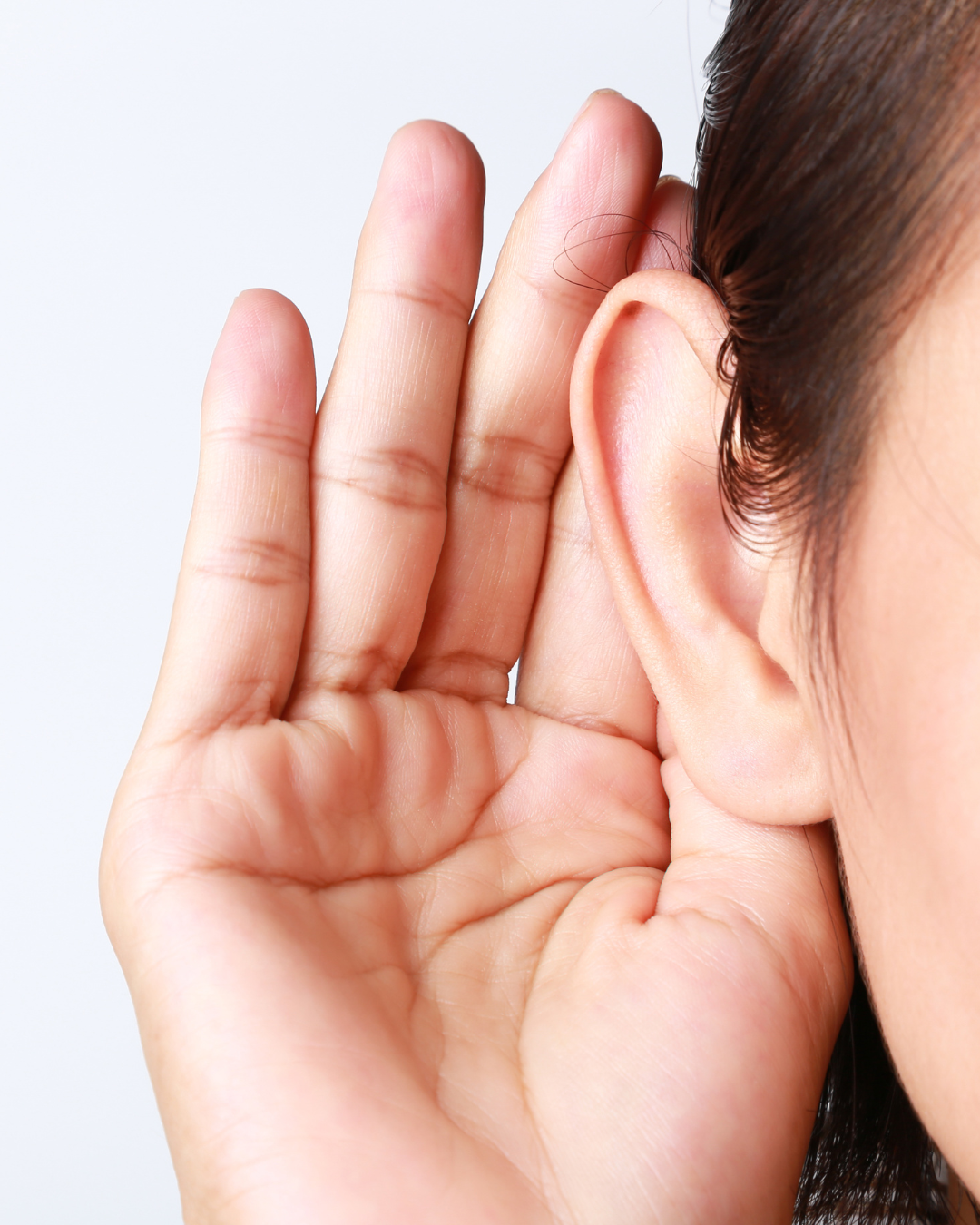
Incorporate meditation into your daily routine to calm the mind and create space for self-reflection.
Meditation can help you become more aware of your thoughts and emotions, allowing you to recognise and detach from unhelpful self-talk.
Pay attention to how your self-talk affects your emotions.
Notice when negative or limiting thoughts arise and how they make you feel. Understanding the emotional impact of your self-talk can motivate you to change unhelpful patterns.
Challenge your ‘shoulds’!
Whenever you catch yourself using the word ‘should’ in your self-talk, pause and question it. Ask yourself why you feel that way and whether it’s based on rational thinking or societal expectations. Consider whether the ‘should’ is helping or hindering your growth and well-being.
“Don’t worry, you’re not going loopy! Most of us have one or more voices in our heads.”

Tools of the trade
In coaching we have an abundance of tools to help you identify where the self-talk is coming from. I’ve covered a few below, but this is by no means exhaustive.
Values elicitation certainly can help. This is a process where we identify and understand our core values which drive our thoughts, behaviours, and decisions. For example, I have a very strong Honesty value so in my mind the truth should always be spoken; I have learnt to tame this as I’ve got older, just be aware if you ask my opinion as I will speak my truth in my personal life.
Also our Drivers – a great tool to provide insight into what we do externally but identifying our internal processes.

For example if our dominant Driver is ‘Be Perfect’ then essentially some very black and white thinking can come into play as every task, person, or even statement can be classed mentally as ‘good or bad’.
Delving into one’s Drivers is hugely useful when it comes to combating ‘shoulding’.
And, we all know a People Pleaser.
Such traits though are not inherently bad or good, they have strengths and weaknesses, but insights help us understand ourselves so we can play to our strengths or adjust how we want to operate.
I am merely summarising a few factors here, in a coaching session we would explore this much more. As you can tell, these tools are in-depth and powerful and the insight gained is a game-changer!
“Delving into one’s Drivers is hugely useful when it comes to combating ‘shoulding’.”

Challenging the ‘should’
Aside from challenging the internal ‘shoulds’ – you will also get challenged if you ‘should’ me personally too. Actually a ‘you need to’ also falls in the same category for me. Yuk.
They are like a red rag to a bull; I will be polite and you may be right. You could be presenting me with something I would benefit from. But the ‘should’ is presumptuous and I’ve worked hard to adjust my self-talk – you may well be able to relate to this too. It’s like a defence mechanism, and one worth becoming aware of.
I invite you to consider your words, there is power in them, particularly when talking to a child and certainly when talking to yourself.
“‘Should’ is presumptuous and I’ve worked hard to adjust my self talk.”

I ‘should’ mention…
See what I did there!?
My personal journey with the ‘shoulds’ – oh yes I was a ‘should’a’ kinda girl and that was a monologue that rang in my ears for many years.
My Drivers I identified a long time ago and I let them drive me a bit too far! When I got Chronic Fatigue Syndrome I was fortunate enough to work with a super Psychologist – the Strengths and the Perfect Drivers are very common for those who contract CFS.
Giving myself permission to feel the feels before moving on were absolutely key to my recovery.
This is what really sparked my interest in the Mind/Body ‘connection’. Why the inverted commas on ‘Connection’…………frankly there is no connection, it is fully integrated!
Holistic.
The sooner we realise this, then the sooner we are on our well-being path.
“Giving myself permission to feel the feels before moving on were absolutely key to my recovery.”
What’s next?
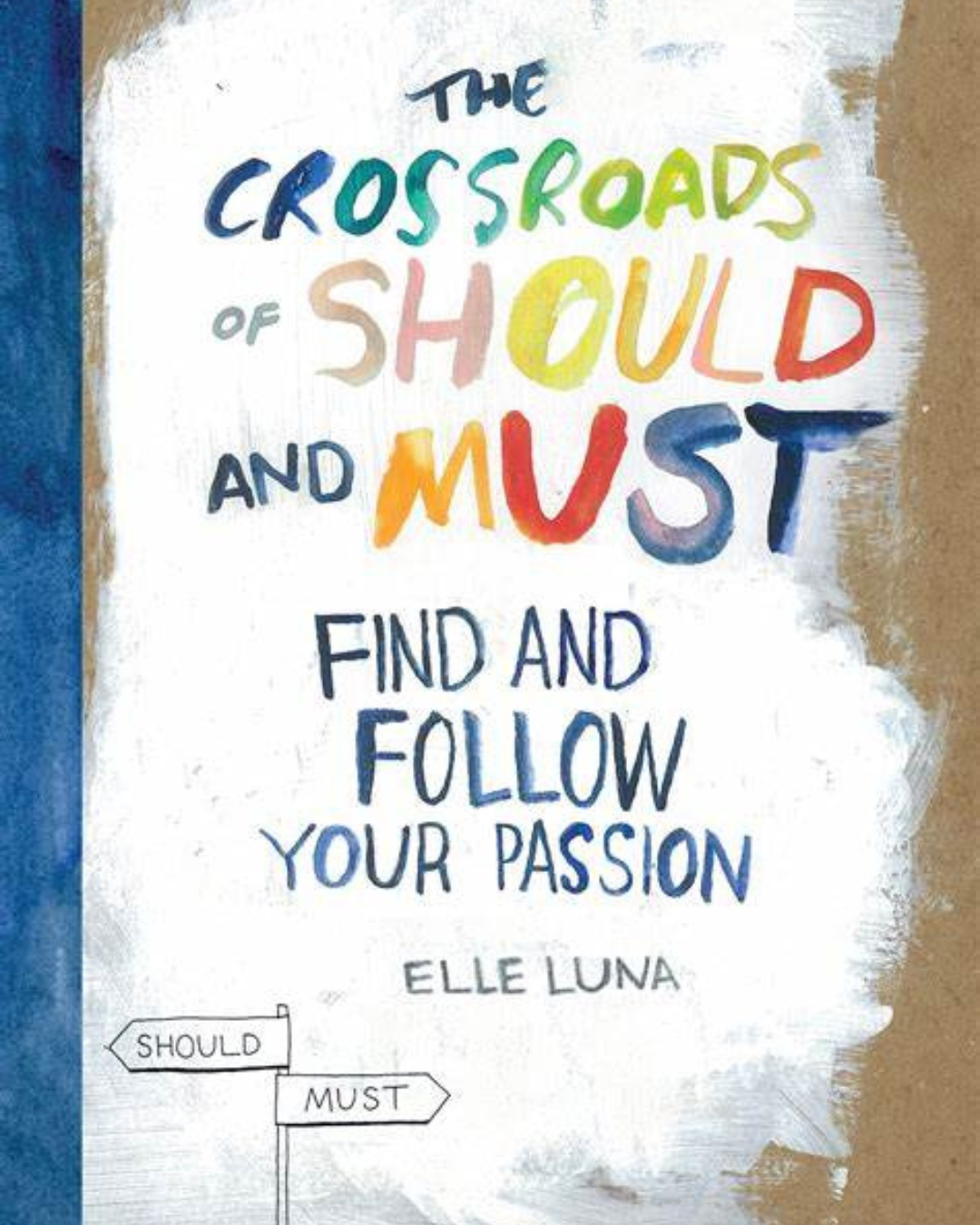
I read a super book that had been recommended to me. The Crossroads of Should and Must by Elle Luna. It was a quick and easy read and made absolute sense.
There are many lovely nuggets in there but this is my fave:
“When you examine the ‘shoulds’ of your life, you are consciously choosing to get to know your prison – the expectations from other people’s agendas, the belief systems you inhabit but don’t truly embrace,, and all the things you agree to without realising it. Shining a light on your list of Should may involve facing some of your deepest fears, and finding support is wise.”
I would encourage anyone struggling with ‘shoulding’ themselves to read it.
And working with a coach who understands the holistic integrated approach to oneself is transformational.
If you’re on the path to self-actualisation, or you’re just getting started identifying your limiting beliefs or any aspect you feel is holding you back from fulfilment, please get in touch.
I offer a Curiosity Call free of charge – are you ready to take the next step on your journey?
And so, for now, I’ll leave you with this…
“It’s your life, but only if you make it so. The standards by which you live must be your own standards, your own values, your own convictions in regard to what is right and wrong, what is true and false, what is important and what is trivial.”
Eleanor Roosevelt
There have been and still remain many times in my life where things sneak up on me like a ninja in furry slippers.
It’s as if circumstances appear out of nowhere - but if you’re self-aware, there is hope because there are signs and signals you can look out for. And prevention is so much easier than recovery.

For example, it’s over 20 years ago now that I got M.E. (Chronic Fatigue Syndrome). Something that seemingly appeared out of the ether and seized control.
It took me 3 years to unravel from it and be well again.
And whilst I don’t really buy into regret, I take heed from lessons learnt and make every effort not to get caught out again.
What do I mean get caught out?
Well, I mean, this frog will always stop at regular intervals to check the water temperature!
“Take heed from lessons learnt and make every effort not to get caught out again. “

A Frog in a Pan
Many of my clients will have heard me refer to the anecdote of the frog in hot water…….
Apparently, if a frog is placed in hot water it will instantly jump out. However if a frog is placed in cold water and that water is gradually heated it will not be aware and will be slowly cooked to death.
Horrid, right? But a cautionary tale, nonetheless…
I must confess, I haven’t tested this on any frogs and certainly don’t intend to! However, whether the premise is true or not, this metaphor is one I return to again and again.
In a nutshell, the frog’s immediate response to the hot water represents a quick reaction to a sudden, noticeable change. In contrast, the frog’s failure to respond in the gradually heated water represents a lack of awareness or perception of the slowly changing conditions.
So from a human perspective, it demonstrates our tendency to overlook gradual changes in our environment or circumstances until they become significant or irreversible – making one hopping mad (see what I did there?)
Also, it’s telling of our ability to adapt and become accustomed to things that perhaps aren’t best for us in the long term.
So how do we identify what temperature the water is?

“We overlook gradual changes in our environment or circumstances until they become significant or irreversible.”

Your Breath
Most people have been told that if you are shallow breathing then you could well be in some kind of stress response.
The breath really is the key to your whole well-being. It connects directly to the health of the heart, the central nervous system and your oxygen supply needed to survive.
So take a deep breath.
Does it feel constricted at all?
Can you feel like you can even catch your breath now you are paying attention?
These are indications you are already in hot water.

Your Body
We seldom really get ill unless we are compromised by stress, particularly cumulative stress (that gradual application of heat, my dear frog).
We know the body keeps the score on things from your life. So what is your body trying to tell you?
Headaches, sleep issues, chronic pain, illness…these are all a cry for attention from your body but are you listening?
You may be so used to it that it has become your ‘normal’. You may be medicating but is that addressing the root cause? A Body Scan Meditation is a perfect opportunity to check in.
“We know the body keeps the score on things from your life. So what is your body trying to tell you?”

Your Spirit
For some this is a new realm entirely but it is here the water is dark and deep as well as hot.
Are you living your life how you want to?
Is your heart open?
Do you feel energised and joyful?
Do you feel congruent or aligned?
Have you ever even asked yourself these questions or are you on some kind of autopilot mode? If so you may well be in hot water.
In coaching we often work with a tool called Wheel of Life. It is a great starting point. If you’re curious, read on.
Your Inner Frog
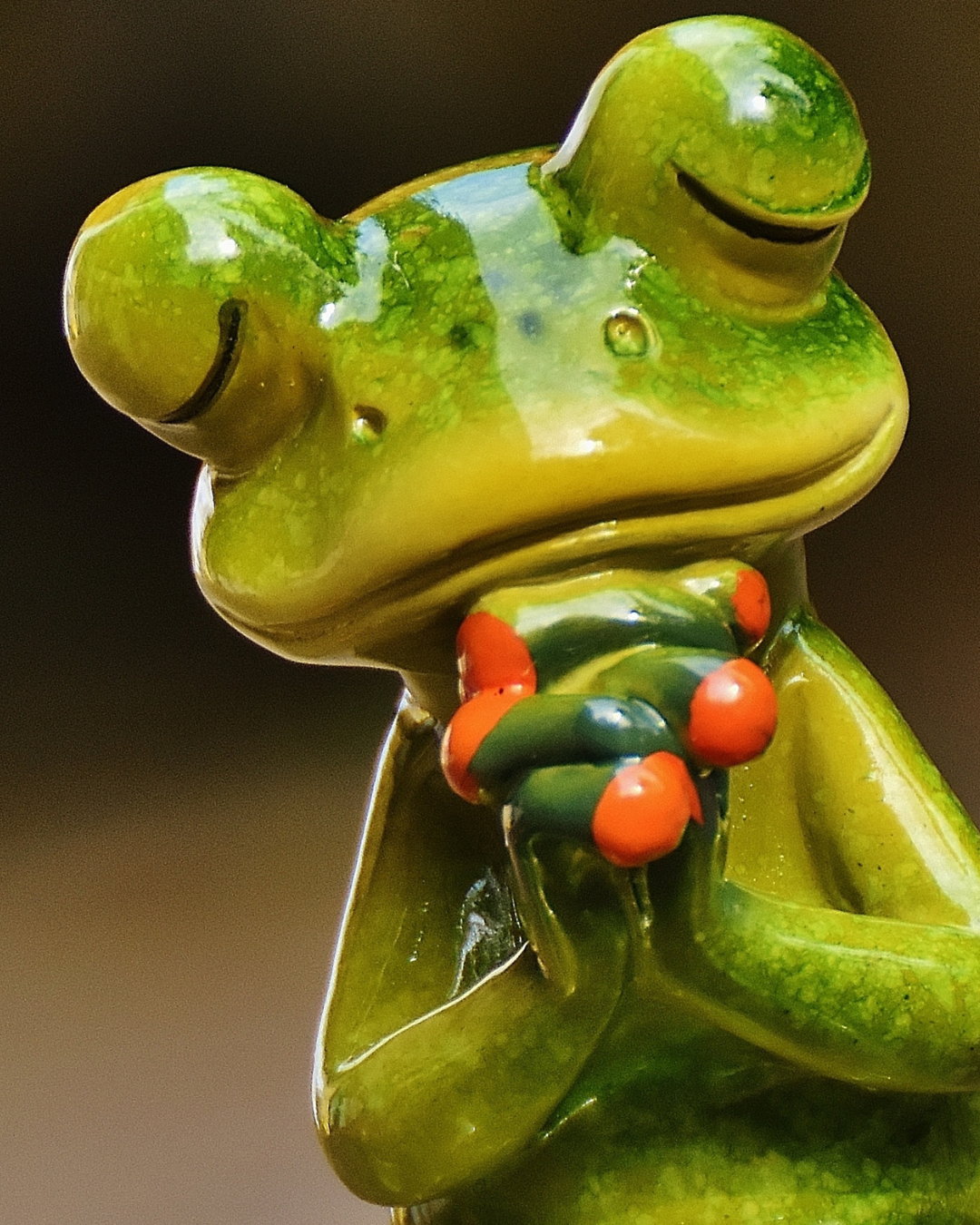
So what now you have discovered whilst channelling your inner frog – is it that you’re in hot water?
Firstly you now know something you didn’t know, this is new knowledge!
Now you jump!
For some, the knowledge alone is enough and it means you can take that action. You may be able to self-resource.
For others it may not be so easy. You may be too tired or scalded to jump. You may need a leg up or support. Everyone is different.
If you’re ready to jump but you’re not sure how, book a free curiosity call with me, I will help you my froggy friend!